





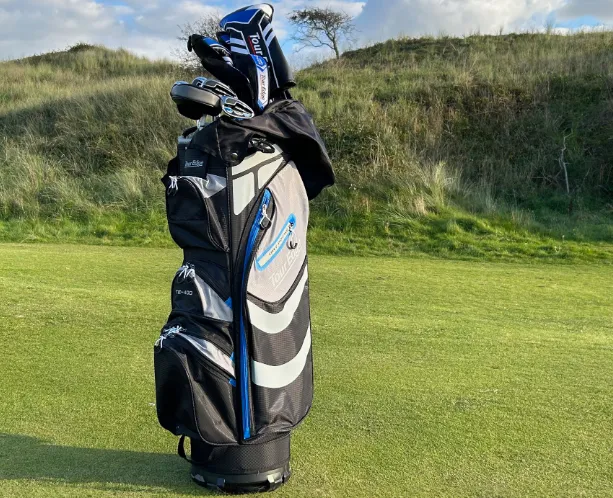
Starting out in golf is exciting, but figuring out which clubs you actually need can feel overwhelming. With so many options on the market, it’s easy to think you need a massive set right away. The truth? Beginners only need a handful of well-chosen clubs to cover the basics and build confidence. Here’s a straightforward guide to help you assemble the right starter set.
The Essential Clubs for Beginners
You don’t need fourteen clubs in your bag when you’re just learning the game. Focus on the key ones that will help you handle different situations on the course:
-
Driver – This is your distance club, designed for hitting long shots off the tee. Look for one with extra loft, as it will make getting the ball in the air much easier.
-
Fairway Wood (5-wood) – A reliable option for long shots when the driver feels intimidating. It’s also useful from the fairway.
-
Hybrid – Think of it as a cross between a wood and an iron. Hybrids are forgiving and perfect for tough lies or long approach shots.
-
7-Iron – A versatile club for mid-range shots, whether you’re on the fairway or in light rough.
-
9-Iron – Great for shorter approaches to the green where accuracy and loft matter most.
-
Sand Wedge – Your go-to for bunker shots, chips, and delicate short-game situations.
-
Putter – The most important club of all. Once you’re on the green, this is the one that gets the ball into the hole.
Pay Attention to Loft and Swing Speed
When you’re learning, higher-lofted clubs are your friend. A driver with around 12 degrees of loft, for example, will help you launch the ball higher and straighter. Clubs with too little loft are much harder to hit consistently, especially for beginners with slower swing speeds.
Try Before You Buy
Before investing in a set, take time to test different clubs. Many golf shops and ranges let you try them out, and this step is crucial for finding clubs that feel comfortable in your hands. Confidence at address translates into better swings on the course.
Quality Over Quantity
It’s tempting to buy a full set right away, but it’s smarter to start small with a few quality clubs. A solid starter collection will give you everything you need while leaving room to upgrade as your skills improve. Over time, you can add more clubs tailored to your game.
Final Thoughts
Choosing your first set of golf clubs doesn’t need to be complicated. By focusing on the essentials, understanding how loft and swing speed affect performance, and testing before you buy, you’ll be well-equipped to step onto the course with confidence. Start simple, grow gradually, and enjoy the journey of improving your game.


