


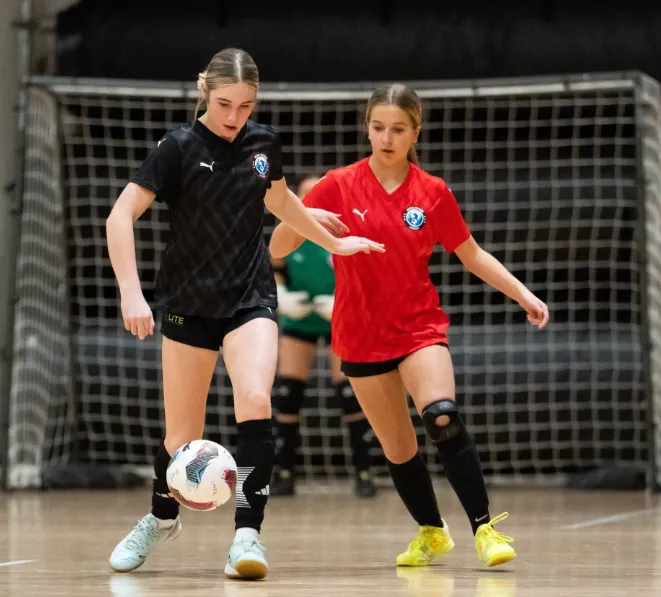
Futsal, a fast-paced indoor version of soccer, is a fantastic way for young players to enhance their soccer skills. While not as widely known or appreciated as outdoor soccer, futsal has played a pivotal role in the development of many of the world’s top players.
Initially created in Uruguay in 1930, futsal was developed as an indoor soccer version for youth play. This article will explain how futsal can benefit youth soccer players and why it’s an essential training tool.
The Origins of Futsal
Futsal’s roots can be traced back nearly a century to Uruguay, where it was invented by Juan Carlos Ceriani as an indoor variation of soccer for the YMCA. Over time, the game spread globally, becoming both a competitive sport and a training tool for soccer players of all levels.
Futsal is a quick-paced game that demands sharp technical ball control, fast reflexes, quick decision-making, and composure under pressure. While less tactical than outdoor soccer, futsal offers numerous touches on the ball, making it an excellent skill-development tool.
Many of the world’s best players, including Lionel Messi, Cristiano Ronaldo, Neymar, and Ronaldinho, credit futsal with helping them develop their skills from a young age.
How Futsal Benefits Youth Soccer Players
Futsal is played in a smaller, indoor setting and offers players a variety of transferable skills that significantly enhance their soccer development. Brazil’s success in developing top talent is partly due to the country’s heavy focus on futsal in their youth development programs.
Here are some of the key benefits futsal provides for youth players:
Improved Soccer-Specific Fitness: The fast pace of futsal helps players improve their cardiovascular endurance and agility.
Better Decision-Making: The tight spaces and fast pace force players to think quickly and make decisions under pressure.
Faster Play and Reactions: Futsal encourages quick thinking and rapid decision-making, helping players improve their reaction time.
Enhanced Technical Skills: Players work on ball mastery, close control, and technical precision, which are crucial for success in outdoor soccer.
Increased Touches on the Ball: The nature of futsal ensures that players get more touches on the ball compared to outdoor soccer, helping develop better ball control.
Improved Passing: The smaller court size promotes faster, more accurate passing.
Fun and Engaging: Futsal is an enjoyable way for players to develop their skills while having fun.
Incorporating Futsal into Regular Soccer Training
While futsal offers numerous benefits, it should complement, not replace, traditional soccer training. The outdoor game requires more tactical understanding, which is vital for players as they mature and progress.
It’s highly recommended to incorporate futsal into your child’s training, especially during the off-season or in the winter months when outdoor training can be limited by weather conditions. Playing futsal once or twice a week during the season can also be beneficial, but be cautious not to overtrain, as this could lead to burnout.
Encourage your child to participate in local futsal leagues or organize informal pickup games with friends. The more they play, the better they’ll become.
Essential Futsal Equipment
When starting out with futsal, there are a few key pieces of equipment you’ll need:
Futsal Ball: A smaller, heavier ball (size 3 for younger players, size 4 for older youth) that encourages control and rewards technical skill.
Footwear: Unlike soccer cleats, futsal requires flat, indoor shoes with good grip and support. Consider shoes like the Nike React Gato or Adidas Samba Classic for comfort and stability.
Shin Guards: Lightweight and comfortable shin guards that fit securely under socks.
Goalkeeper Gear: If your child plays as a keeper, goalkeeper gloves and knee pads are essential.
Futsal Game Basics
Game Length: Futsal games consist of two 20-minute halves with a stopped clock for dead balls.
Offside: There is no offside rule in futsal, which encourages more creative attacking play.
Goal Size: Goals are typically 10 feet wide by 6.5 feet high.
Ball Size: The ball used is smaller and has a lower bounce compared to regular soccer balls, making it easier to control in tight spaces.
Conclusion
Futsal is an incredibly effective tool for developing technical skills, close ball control, and decision-making in young soccer players. It’s a fun and engaging way for players to improve their abilities while also providing valuable training that complements outdoor soccer. By incorporating futsal into your training routine, you’ll help your child build a strong technical foundation that will serve them well in their soccer career.