


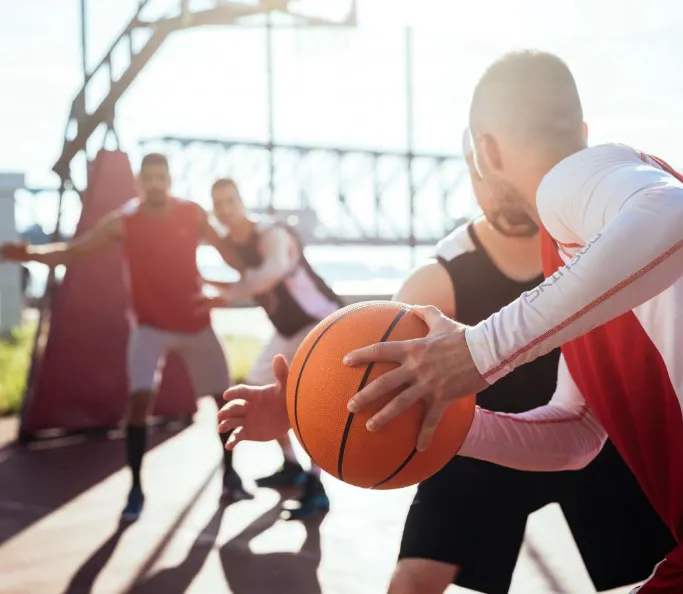
Becoming a great basketball player isn’t just about talent—it’s about training with purpose. True improvement requires a balanced mix of physical conditioning, technical skill, and mental discipline. Whether you’re training for competition or simply looking to elevate your game, the right approach can make a huge difference. Here’s how to structure your basketball training for maximum results.
1. Physical Conditioning: Building the Foundation
Basketball demands endurance, speed, and explosive power. Conditioning your body ensures you can perform at your best from tip-off to the final buzzer.
Cardio Training: Improve your stamina through running, cycling, or jump rope sessions. These exercises mimic the constant motion of a basketball game.
Strength Workouts: Focus on developing core, leg, and upper body strength with weightlifting and resistance training. Strong muscles help with rebounding, shooting power, and injury prevention.
Agility and Speed: Incorporate ladder drills, sprint intervals, and plyometric exercises to sharpen quickness and improve reaction time.
2. Skill Development: Refining Your Craft
Technical skills are what set elite players apart. Consistent practice is key to mastering the fundamentals that make you a more versatile and reliable player.
Shooting: Work on form shooting first, then progress to mid-range and three-point shots. Focus on consistency, balance, and follow-through.
Ball Handling: Practice dribbling with both hands, using cone drills or obstacle courses to simulate in-game movement. Keep your eyes up and maintain control under pressure.
Passing: Improve your chest, bounce, and overhead passes for better teamwork and game flow.
Finishing: Learn to score around the rim using various layup techniques, floaters, and strong finishes.
Defense: Dedicate time to defensive slides, closeouts, and reading offensive plays. Watching game footage can also help you anticipate your opponent’s moves.
3. Mental Preparation: Training the Mind
Your mindset can make or break your performance. Mental strength helps you stay composed, confident, and focused—especially under pressure.
Goal Setting: Establish clear, achievable goals for each stage of your development. Track your progress regularly.
Game Study: Analyze basketball strategy by watching games, studying players, and reading about tactics.
Pre-Game Routine: Create a consistent mental warm-up that prepares you to perform at your peak every time you step on the court.
4. Drills That Make a Difference
Practical, focused drills translate training into real game improvement.
Shooting Drills: Alternate between free throws, corner shots, and top-of-the-key jumpers to simulate game conditions.
Ball Handling Drills: Dribble through cones or around objects while keeping your head up to build confidence and awareness.
Finishing Drills: Work on layups from both sides and add moves like euro-steps or reverse finishes.
Defensive Drills: Practice staying low, moving laterally, and closing out on shooters quickly.
5. Designing a Structured Training Program
Consistency and progression are key. A six-week training cycle can help you focus on different skills each week—such as shooting one week, defense the next, and conditioning throughout. Integrate strength and cardio work into your schedule to support overall performance.
6. Solo Training and Staying Motivated
Even if you’re training alone, there are plenty of ways to keep improving.
Find a Partner or Group: Training with others keeps you accountable and adds competition.
Leverage Online Resources: Watch professional drills or tutorials for fresh training ideas.
Track Small Wins: Focus on steady progress rather than drastic overnight changes.
Be Consistent: Make practice a non-negotiable habit—it’s consistency that builds skill and confidence.
Conclusion
Effective basketball training is about more than just time on the court—it’s about balance. Combining physical conditioning, skill development, and mental toughness creates a complete player ready to compete at any level. Stay disciplined, focus on small daily improvements, and commit to the process. Over time, the results will show—not just in your game, but in your mindset and confidence as well.