


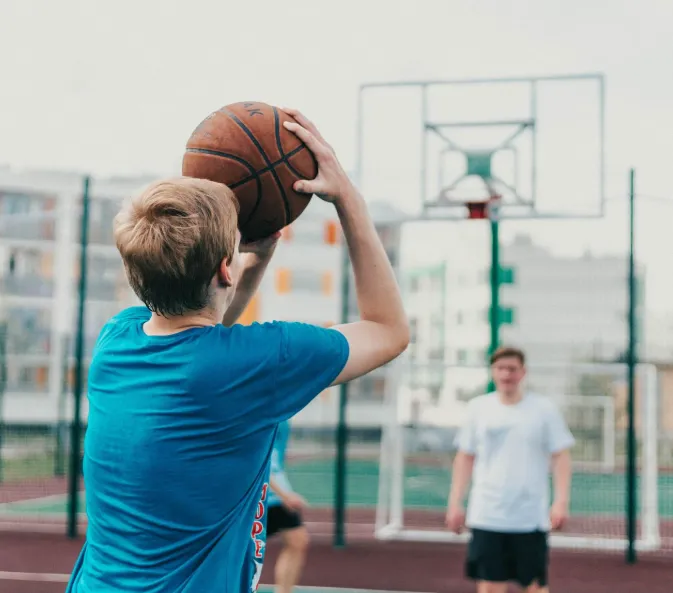
Shooting is the heartbeat of basketball. Whether you’re playing pickup with friends or competing in organized leagues, the ability to shoot accurately separates good players from great ones. Yet, developing a consistent and reliable shot takes more than endless repetitions—it requires awareness of the mistakes that can hold you back. Many players overlook small details in their form or approach, and those small errors can have a big impact on performance.
In this article, we’ll break down the most common mistakes players make when shooting and explain how to correct them. Mastering these fundamentals can dramatically improve your accuracy, confidence, and overall game impact.
The Role of Proper Shooting Technique
A solid shooting technique is the foundation of any great scorer. It ensures consistency, balance, and control, allowing your shot to become repeatable under pressure. Proper mechanics also prevent strain or injury by promoting smooth, efficient movement. When your form is sound, you’re better able to adapt to defensive pressure, maintain composure, and stay effective throughout the game.
In short, strong fundamentals not only make you a better shooter but also a smarter and more dependable player for your team.
7 Common Shooting Mistakes and How to Avoid Them
1. Incorrect Hand Placement
Many players struggle because of improper hand positioning on the ball. Placing your shooting hand too far to the side or letting your guide hand influence the release can cause the ball to veer off course.
The fix: Keep your shooting hand directly under the ball with your fingers comfortably spread apart. Your guide hand should rest lightly on the side, providing support but not altering the shot’s direction. Focus on releasing the ball with your shooting hand only, allowing for a clean, straight follow-through.
2. Unbalanced Shooting Stance
A weak or uneven stance often leads to missed shots. Standing with your feet too close together—or not aligned with the basket—reduces balance and power.
The fix: Start with your feet shoulder-width apart, your shooting-side foot slightly ahead of the other. This alignment keeps your body balanced and your shoulders square to the basket. Use your legs to generate upward force, transferring that energy smoothly through your arms for a stronger, more controlled shot.
3. Rushing the Shot
In high-pressure moments, players often shoot too quickly out of panic or excitement. This breaks rhythm and reduces accuracy.
The fix: Slow down your process. Develop a routine that allows you to set your feet, balance your body, and lock in on the rim before releasing. Practicing game-speed drills can help you build a faster, yet controlled rhythm, so you can shoot confidently without feeling rushed.
4. Neglecting the Follow-Through
A weak or incomplete follow-through is one of the most overlooked shooting errors. Without it, your shot loses consistency and backspin.
The fix: After releasing the ball, extend your arm fully toward the hoop, keeping your wrist relaxed and fingers pointing downward—like a “gooseneck.” This motion adds arc and stability to the shot, helping the ball travel on a cleaner, more accurate trajectory.
5. Inconsistent Shooting Motion
Changing your form from one shot to another creates inconsistency. Many players adjust their release, stance, or hand motion depending on the distance or pressure, resulting in unpredictable outcomes.
The fix: Develop a uniform shooting routine. Practice the same motion repeatedly until it becomes instinctive. Record your sessions to spot any deviations, and make corrections as needed. Over time, this consistency will build muscle memory and reliability, even in competitive situations.
6. Ignoring Shot Arc
A flat shot may look strong, but it gives the ball a smaller chance of going in. Without enough arc, there’s little margin for error.
The fix: Focus on shooting with a higher trajectory. Use your legs to generate lift and aim for a peak just above the rim or backboard height. A higher arc softens the shot’s landing, increasing your chances of scoring while also making your shot harder to block.
7. Losing Focus on the Target
Some players overthink their mechanics or get distracted by defenders, forgetting to focus on the rim. This lapse in concentration often results in errant shots.
The fix: Train yourself to pick a specific target—such as the back of the rim or the center of the hoop—and lock your eyes on it throughout the shot. Maintaining visual focus aligns your body naturally and improves precision. Practicing this mental discipline will help you stay calm and accurate under pressure.
Frequently Asked Questions
What exercises can improve my shooting power and balance?
Building strength in your legs, core, and upper body enhances stability and control. Include exercises like squats, lunges, planks, push-ups, and calf raises. Strengthening these muscles gives you a stronger base and smoother shot mechanics.
How important is mental focus when shooting?
Mental concentration is crucial. Visualization and mindfulness can help you stay calm and confident. Before each shot, take a breath and picture the ball swishing through the net—this mental routine reinforces focus and reduces anxiety.
Can switching basketballs affect my shot?
Yes. Different basketballs vary in grip, texture, and weight, which can slightly alter your feel and rhythm. To stay consistent, train primarily with the same type of ball used in your games while occasionally practicing with others to build adaptability.
How should I adjust my form for long-range shots?
For deeper shots, rely on your legs and core to generate power rather than your arms. Bend your knees more and maintain your usual follow-through and arc. The key is to keep your upper-body mechanics identical to your regular shot.
Final Thoughts
Becoming a great shooter requires patience, repetition, and self-awareness. Avoiding these common mistakes—poor hand positioning, rushing, neglecting follow-through, and more—can dramatically improve your shooting consistency. Focus on mastering your fundamentals, maintaining balance, and staying mentally locked in. With disciplined practice and the right mindset, your accuracy will improve, and your confidence will grow—helping you become a more dependable and effective scorer every time you step on the court.