


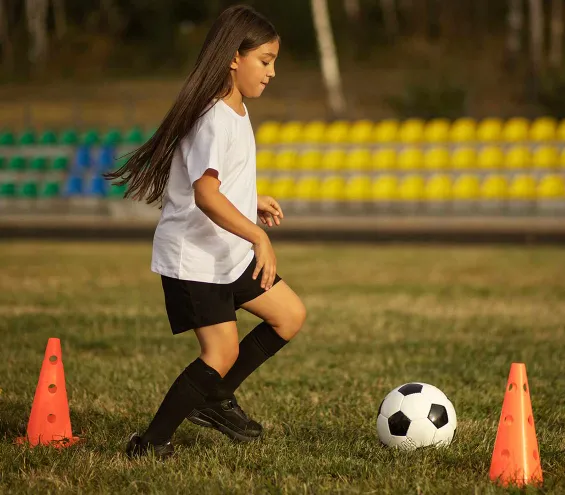
As a soccer parent, you want your child to thrive and enjoy the game. However, there are times when it feels like their progress is stagnating, leaving you wondering what’s going wrong. It can be frustrating and even worrisome when your child isn’t progressing as quickly as you hoped.
Here are eight potential reasons why your child might not be developing in soccer as fast as expected, along with practical ways you can support them in improving.
1. Lack of Extra Practice Outside of Team Sessions
The Issue: Relying only on team practices can limit your child’s growth. Without additional time spent practicing on their own, they might not get enough touches on the ball and may struggle with confidence during games.
How to Help: Encourage them to practice at home for 15-20 minutes each day. Set up simple challenges like juggling or dribbling drills. Small, consistent efforts add up, helping them gain more control and confidence with the ball.
2. Focusing Only on Their Strengths
The Issue: Many kids prefer practicing what they’re good at, like shooting or long passes, because it’s fun and rewarding. However, this focus on strengths can prevent them from developing areas of their game that need improvement.
How to Help: Encourage them to work on weaker skills, such as dribbling in tight spaces or using their non-dominant foot. Create drills that target these areas while still keeping the practice enjoyable and engaging.
3. The Coach Isn’t Paying Enough Attention to Details
The Issue: Soccer is all about precision, and building the right habits takes time and focused effort. If your child’s coach is not emphasizing the finer details of technique, your child may miss out on crucial development opportunities.
How to Help: Observe practices at different clubs for your child’s age group. Look for coaches who focus on developing proper technique and discipline. A coach who emphasizes these aspects can significantly enhance your child’s growth.
4. Not Enough Free Play
The Issue: While structured practice is important, free play is where kids develop creativity, confidence, and a true love for the game. Without enough unstructured time to play and experiment, your child may miss out on vital aspects of development.
How to Help: Set up regular pickup games or let them play freely in the backyard with friends. Free play helps kids experiment with different moves and styles of play while having fun, which is essential for their overall enjoyment and skill development.
5. They Don’t Watch Enough Soccer
The Issue: Watching games can improve your child’s understanding of soccer, from positioning to movement and strategies. If they’re not watching the game regularly, they may not be fully grasping the nuances of soccer.
How to Help: Make soccer a family activity by watching games together. Whether it’s a match on TV or a local game, discuss what’s happening during the game. Ask your child what they would do in certain situations to enhance their understanding and engagement with the game.
6. Physical Changes During Growth
The Issue: As children go through puberty, their bodies change, and their coordination may lag behind. This can affect their balance, agility, and performance on the field, causing frustration for them and for you.
How to Help: Be patient and supportive as your child adjusts to these changes. Understand that their physical growth may temporarily impact their performance, but over time, their skills will catch up as they adapt to their new body.
7. They Might Be Losing Interest in Soccer
The Issue: As children grow older, their interests can shift, and it’s possible that soccer might not excite them as much as it once did.
How to Help: If your child shows less enthusiasm for soccer, support them in exploring other interests. It’s natural for their passions to evolve, and discovering a new activity they enjoy just as much can be a positive experience. Stay open and encouraging as they explore new possibilities.
8. Lack of Parental Involvement
The Issue: Coaches and trainers are essential, but your involvement as a parent is equally important. Even if you’re not familiar with soccer yourself, being actively involved can make a huge difference in your child’s development.
How to Help: Get involved in your child’s soccer training. Play simple games like 1v1 or chase with them, or encourage them to practice in your backyard. Your participation not only makes practice more fun, but it also shows your child that you care about their journey and success.
Conclusion
If your child’s development in soccer feels stagnant, it’s important to address these factors. By balancing practice, free play, learning, and fun, you can help them overcome obstacles and become a more confident and skilled player.
With your support and the right mindset, your child will not only improve their soccer skills but also deepen their love for the game.